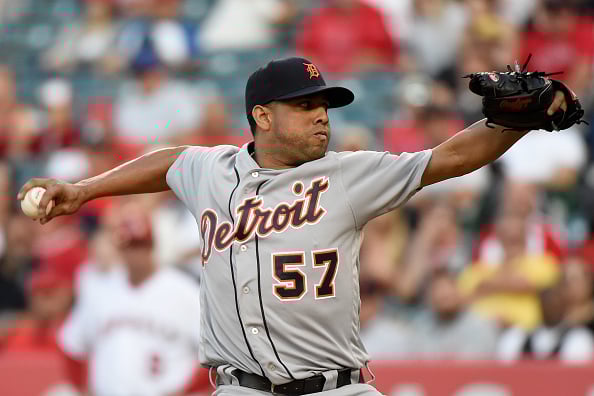
How Francisco Rodriguez's $98 Million Career Earnings Stack Up in MLB
In the high-stakes world of Major League Baseball, where talent translates into multi-million dollar contracts, few positions are as electrifying and financially rewarding as that of an elite closer. Among the pantheon of pitchers who mastered the ninth inning, Francisco Rodriguez, affectionately known as "K-Rod," carved out an indelible legacy and, along with it, a substantial fortune. With an impressive career earnings total nearing the $98 million mark, his financial journey offers a fascinating glimpse into the economics of America's pastime and raises the intriguing question: how does this figure translate into his overall francisco rodriguez net worth?
For over a decade, Rodriguez dominated the final frames of baseball games, shattering records and delivering clutch performances. His tenure saw him play for prestigious franchises like the Anaheim Angels (now Los Angeles Angels), New York Mets, and Milwaukee Brewers, accumulating a staggering 437 saves—ranking him fourth all-time in MLB history. This article will delve into his remarkable earnings, compare them to other legendary closers, and explore the complex relationship between career earnings and a player's true net worth.
The $98 Million Milestone: A Closer Look at K-Rod's MLB Fortune
Francisco Rodriguez's career earnings stand at an impressive $98,491,000. This figure represents the cumulative total of his player salaries throughout his 16-year MLB career, which spanned from 2002 to 2017. To put this into perspective, earning nearly $100 million solely from playing baseball is a testament to his consistent excellence and the immense value he brought to every team he played for.
Rodriguez's journey to this financial summit was built on a series of significant contracts. After emerging as a dominant force in the Angels' bullpen, including a crucial role in their 2002 World Series championship run, he cemented his status as a premier closer. His most lucrative years came after his record-breaking 2008 season with the Angels, where he notched an astonishing 62 saves—still an MLB single-season record. This performance paved the way for a three-year, $37 million contract with the New York Mets, a significant deal for a reliever at the time.
Later, he signed multi-year deals with the Milwaukee Brewers, further bolstering his career earnings. These contracts reflect not just his raw talent but also the increasing understanding of the critical role a shutdown closer plays in a team's championship aspirations. Teams were, and still are, willing to pay top dollar for a pitcher who can consistently close out games, securing victories and relieving pressure on the rest of the pitching staff.
However, it's crucial to understand that career earnings, while a massive number, are not synonymous with a player's personal wealth. There's a significant difference between the gross income generated over a career and the final sum that constitutes an individual's net worth.
Career Earnings vs. Net Worth: Understanding the Financial Landscape
When discussing the wealth of professional athletes, the terms "career earnings" and "net worth" are often used interchangeably, but they represent vastly different financial realities. Francisco Rodriguez's nearly $98.5 million in career earnings is the sum of his gross salaries. His actual francisco rodriguez net worth, however, would be a much more complex calculation.
Here’s why:
- Taxes: A significant portion of any athlete's salary is subject to federal, state, and local income taxes. For high-earning individuals like MLB players, tax rates can be substantial, often ranging between 30-50% depending on various factors and jurisdictions.
- Agent Fees: Most professional athletes employ agents to negotiate their contracts. These agents typically take a percentage of the player's salary, often between 3-5%, for their services. Over a career generating nearly $100 million, these fees alone can amount to millions.
- Living Expenses & Lifestyle: Professional athletes often maintain a high-cost lifestyle, including luxury homes, vehicles, travel, and personal staff. While some are fiscally prudent, others face challenges managing sudden wealth.
- Investments: Smart financial planning involves investing a significant portion of earnings. These investments can grow a player's wealth exponentially over time, or, if poorly managed, lead to losses.
- Endorsements & Sponsorships: Beyond salary, many prominent athletes earn additional income from endorsement deals with brands. While K-Rod was a well-known player, the specific extent of his endorsement income would contribute to his net worth beyond his playing salary.
- Post-Career Ventures: After retirement, athletes might pursue broadcasting careers, business ventures, or other opportunities that continue to generate income.
- Charitable Contributions: Many athletes are generous philanthropists, donating significant sums to various causes, which reduces their personal taxable income and disposable wealth.
Therefore, while K-Rod’s career earnings paint a picture of immense financial success, his current francisco rodriguez net worth would be the sum of his assets (investments, properties, cash) minus his liabilities (debts, mortgages). Without specific financial disclosures, any precise net worth figure would be speculative. However, it's safe to assume that a disciplined approach to financial management, combined with his high earnings, would likely place him among a comfortable echelon of retired athletes.
For more detailed insights into how these figures are accumulated and managed, you might find our article Francisco Rodriguez Career Earnings: The $98 Million Baseball Fortune highly informative.
How Francisco Rodriguez's Earnings Compare to MLB's Elite Closers
To truly appreciate Francisco Rodriguez's financial standing, it's helpful to compare his career earnings to those of other legendary closers in MLB history. The reference context provided some excellent benchmarks:
- Mariano Rivera: $169,441,825
- Francisco Rodriguez: $98,491,000
- Craig Kimbrel: $93,853,333
- Brad Lidge: $75,295,000
- Jonathan Papelbon: $70,618,500
From this comparison, K-Rod stands as the second-highest earner among this esteemed group, trailing only the undisputed "Sandman," Mariano Rivera. Rivera's significantly higher earnings reflect his unprecedented longevity, consistency, and status as arguably the greatest closer of all time, commanding larger contracts for a longer duration. Nevertheless, Rodriguez's position ahead of other stalwarts like Kimbrel, Lidge, and Papelbon underscores his elite status and sustained high performance throughout his career. His 62-save season and numerous All-Star selections certainly contributed to his market value and subsequent contract negotiations.
This comparison highlights the premium placed on closers who can perform at an elite level for an extended period. The ability to consistently deliver in high-pressure situations makes these players invaluable assets, reflected directly in their multi-million dollar contracts. For more about the financial implications of K-Rod's career, read Unpacking Francisco Rodriguez's Multi-Million Dollar Career Worth.
Beyond the Pitch: Building a Sustainable Financial Legacy
Achieving nearly $100 million in career earnings is a monumental feat, but the real challenge for many athletes lies in translating that gross income into a sustainable financial legacy that lasts long after their playing days are over. For Francisco Rodriguez, like any other high-earning individual, prudent financial management is key.
Practical tips for maximizing and preserving wealth include:
- Early Financial Planning: Starting to plan and invest early in one's career is crucial. The power of compound interest can turn modest early investments into substantial wealth over time.
- Diversified Investments: Not putting all financial eggs in one basket. Diversifying investments across stocks, bonds, real estate, and other assets can mitigate risk.
- Professional Guidance: Working with trusted financial advisors, accountants, and legal counsel is essential. These professionals can navigate complex tax laws, identify sound investment opportunities, and protect assets.
- Budgeting and Expense Management: Despite high earnings, a budget helps prevent overspending and ensures long-term financial stability. Understanding the difference between needs and wants is critical.
- Education and Awareness: Athletes who take an active interest in understanding their finances are often better equipped to make informed decisions and avoid potential pitfalls.
- Post-Career Planning: Thinking about life after baseball, including potential second careers, business ventures, or philanthropy, can provide continued income streams and purpose.
While we cannot definitively state Francisco Rodriguez's current francisco rodriguez net worth, his impressive career earnings certainly provide a strong foundation for substantial long-term wealth. The degree to which he has leveraged this foundation through smart financial decisions, investments, and post-career endeavors will ultimately determine his lasting financial legacy.
Conclusion
Francisco Rodriguez's career earnings of nearly $98.5 million firmly establish him as one of MLB's most financially successful closers, placing him second only to the legendary Mariano Rivera among his peers. This colossal sum is a testament to his exceptional talent, record-breaking performances, and sustained value to multiple franchises over 16 years. While career earnings are a strong indicator of financial achievement, they tell only part of the story when discussing an individual's true francisco rodriguez net worth. Factors like taxes, agent fees, living expenses, investments, and post-career ventures all play a crucial role in shaping an athlete's ultimate financial standing. Regardless of the exact current figure, K-Rod's time on the mound undoubtedly secured a significant financial future, allowing him the opportunity to build a lasting legacy both on and off the field.
